

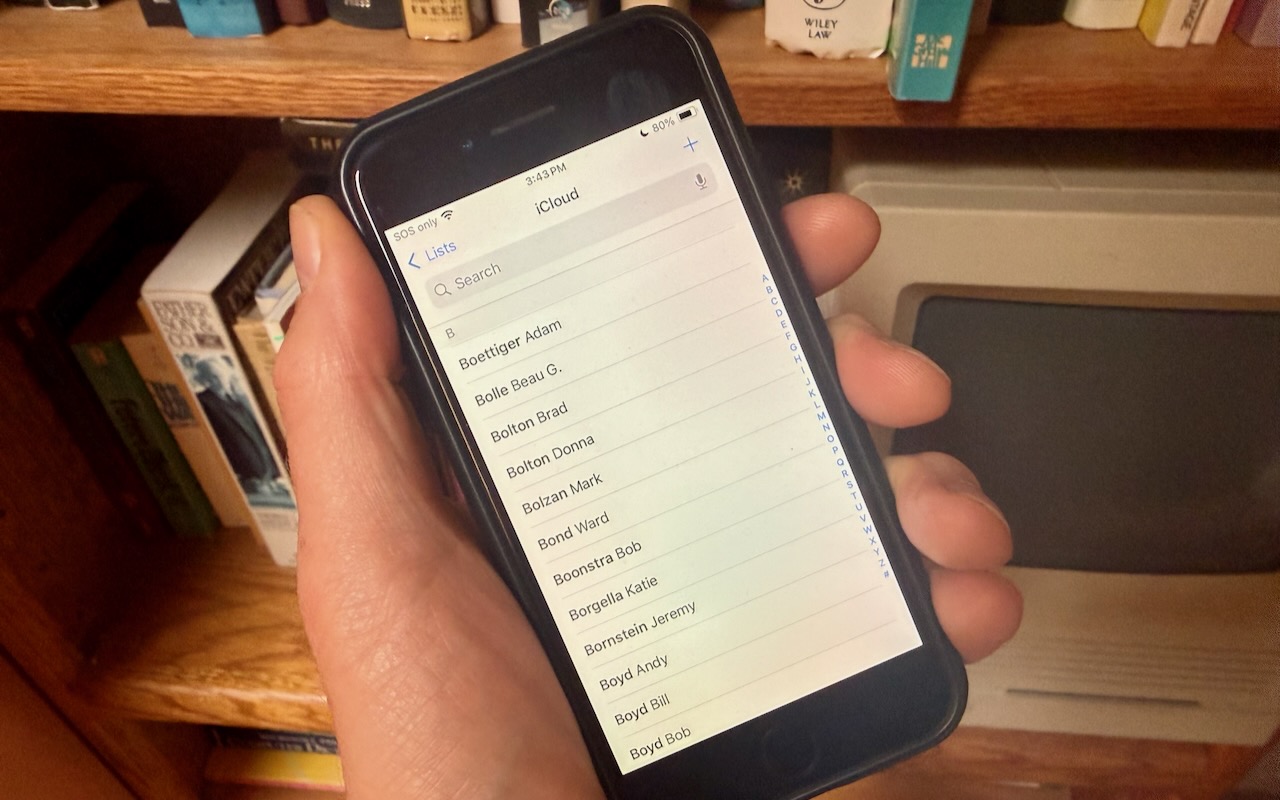
Why people want contacts sorted by surname

If you are searching for how to display contacts with last names first, you are usually trying to make a long contact list easier to scan, sort, and manage. This is especially useful if you keep business contacts, school directories, client records, or family lists where the surname matters more than the first name. In many contact apps, people enter names in a casual format, but once the list grows, finding someone quickly becomes harder unless names are displayed consistently.
Displaying contacts with last names first changes the way names appear on screen, often from John Smith to Smith, John or a similar surname-first view. This can improve alphabetical sorting and make lists more useful when several people share the same first name. It also helps when exporting contacts, syncing address books, or reviewing records across different devices, because a standard naming format reduces confusion.
On the Both platform, the exact steps can vary depending on whether you are working inside the contacts app, syncing from an email account, or viewing contacts through a mobile device or desktop interface. In some cases, there is a display setting that changes the order instantly. In others, the visible format depends on how the first name and last name fields were originally entered. That means the solution is not always just one toggle; sometimes you need to adjust the sort setting, the display setting, and the contact fields themselves.
The good news is that surname-first display is usually possible once you know where to look. The most reliable approach is to confirm your contacts are separated into proper first and last name fields, then update the display preference so the list shows the surname first. If the list still looks wrong afterward, the issue is often caused by imported records, nicknames, or a sync source overriding the local view.
How to display contacts with last names first on Both
To change how to display contacts with last names first on Both, start by opening the contacts area where your names are currently listed. Look for a settings icon, a preferences menu, or a view option near the contact list. Many users go straight to editing names one by one, but it is better to first check whether the platform already has a built-in display preference.
- Open Contacts or People and wait for the full list to load.
- Find Settings, Preferences, or View Options. This may appear as a gear icon, a three-dot menu, or an account settings panel.
- Look for name format choices such as First Last, Last, First, or separate options for Display Order and Sort Order.
- Select the surname-first option. If available, choose Last, First for display and also set sorting by last name.
- Refresh the contact list or close and reopen the app to confirm the change took effect.
If the display still does not update, open a few individual contacts and verify that the names are stored in separate fields. For example, if Mary Ann Johnson was imported entirely into the first-name field, the system may not know that Johnson is the surname. Correcting the fields often fixes the list immediately after syncing.
Some versions of contact systems also separate display name from sort name. In that case, you may need to change both settings. A contact can appear as John Smith while still sorting under S, or it can display as Smith, John and sort correctly if both values are aligned. If your list includes company records, shared mailboxes, or imported directory entries, check whether those contacts are locked to a server-side naming format.
Check contact fields before changing display order
If the surname-first setting is available but your list still looks inconsistent, the next step is to inspect the actual contact data. Many formatting problems happen because names were imported from different sources over time. One contact may have a clean First Name and Last Name setup, while another may have the full name crammed into one field. When that happens, changing the display option alone will not produce clean results.
Open several contacts and review these common fields:
- First Name — given name only
- Middle Name — optional, but useful for formal directories
- Last Name — surname or family name
- Company — separate from personal names
- Display Name — if your platform supports a custom visible label
Correct the entries so each name component is in the right place. For example, instead of entering Robert Diaz entirely in one line, place Robert in the first-name field and Diaz in the last-name field. For hyphenated surnames, keep the full surname together in the last-name field. For suffixes like Jr. or III, use a suffix field if one exists, rather than adding it to the last name unless the platform requires it.
You should also watch for edge cases. Contacts from schools, medical offices, legal records, and municipal lists in places like Washington Crossing, Bucks County, and Newtown often use formal naming conventions that are more sensitive to field placement. Shared family contacts may include entries like The Johnsons, and those may not sort correctly under surname-first rules unless you intentionally format them as a household or company-style record.
Once the fields are corrected, save the contact, allow the account to sync, and then review the list again. In many cases, the display order problem disappears because the app can finally identify which part of the name should be treated as the surname.
Fix sync, import, and device issues that override surname-first settings
Sometimes you set contacts to show last names first, but the change does not stick across all devices. This usually means another service is syncing contacts with a different preference or with poorly structured name fields. The most common sources are email accounts, mobile phones, cloud address books, and imported CSV files.
Start by identifying the primary source of your contacts. If Both is syncing with another provider, check whether the external source controls name formatting. A local display setting may work temporarily, but the next sync can restore the old layout if the master contact record is different.
- Check connected accounts and note whether contacts come from email, cloud sync, or manual import.
- Review import files to make sure first names and last names are mapped to separate columns.
- Compare one sample contact on each device to see where the formatting changes first.
- Disable duplicate contact sources if the same person appears from multiple synced accounts.
- Force a fresh sync after correcting fields and display settings.
CSV imports are a frequent cause of errors. If a spreadsheet has one Name column instead of separate First Name and Last Name columns, the platform may guess incorrectly. Before importing, split names into distinct columns whenever possible. If your list contains organizations or department names, map them to a company field instead of a personal surname field.
Mobile devices can also have their own contact display preferences. If your desktop view shows Last, First but your phone still shows First Last, open the device contact settings and look for separate options for sort order and display order. These are often independent. The list may sort by surname while still displaying first name first, which can make it look like the change failed when it actually only applied to sorting.
When troubleshooting, make one change at a time and then sync again. That makes it easier to identify whether the issue comes from the Both platform, the imported data, or another connected account.
Best practices for keeping contacts organized long term
Once you have your contacts displaying correctly, the best way to avoid future problems is to keep your naming rules consistent. A clean contact list is not only easier to browse; it also reduces duplicate records, improves search accuracy, and makes exports more reliable. This matters even more if you manage a shared list for work, school, volunteer groups, or local organizations in Washington Crossing, Bucks County, or Newtown.
- Always enter names in separate fields instead of using one full-name field when possible.
- Use one naming standard for all new contacts, especially for business and household entries.
- Decide how to handle couples, families, and organizations before adding large batches of contacts.
- Review imported contacts immediately instead of waiting until the list becomes inconsistent.
- Merge duplicates regularly so one person does not appear under multiple formats.
- Keep display order and sort order aligned if you want the visible list to match alphabetical filing.
It is also helpful to create a short internal rule for special cases. For example, determine in advance how you will format prefixes, suffixes, hyphenated surnames, and company contacts. If one user enters Dr. Emily Carter with the title in the first-name field and another enters only Emily as the first name, your list will become less predictable over time.
For shared databases, consistency matters more than personal preference. A surname-first format works best when everyone entering contacts follows the same structure. If you are cleaning up an older list, start with the most-used contacts first, then work through imported or duplicate records in batches. That gives you a practical way to improve search and sorting without having to rebuild the entire address book at once.
In short, the most effective fix is a combination of proper field structure, the correct display setting, and careful sync management. When all three are in place, surname-first contact views usually remain stable and easy to use.
Contact G2 Computers in Washington Crossing
Need help? Contact G2 Computers today.





