
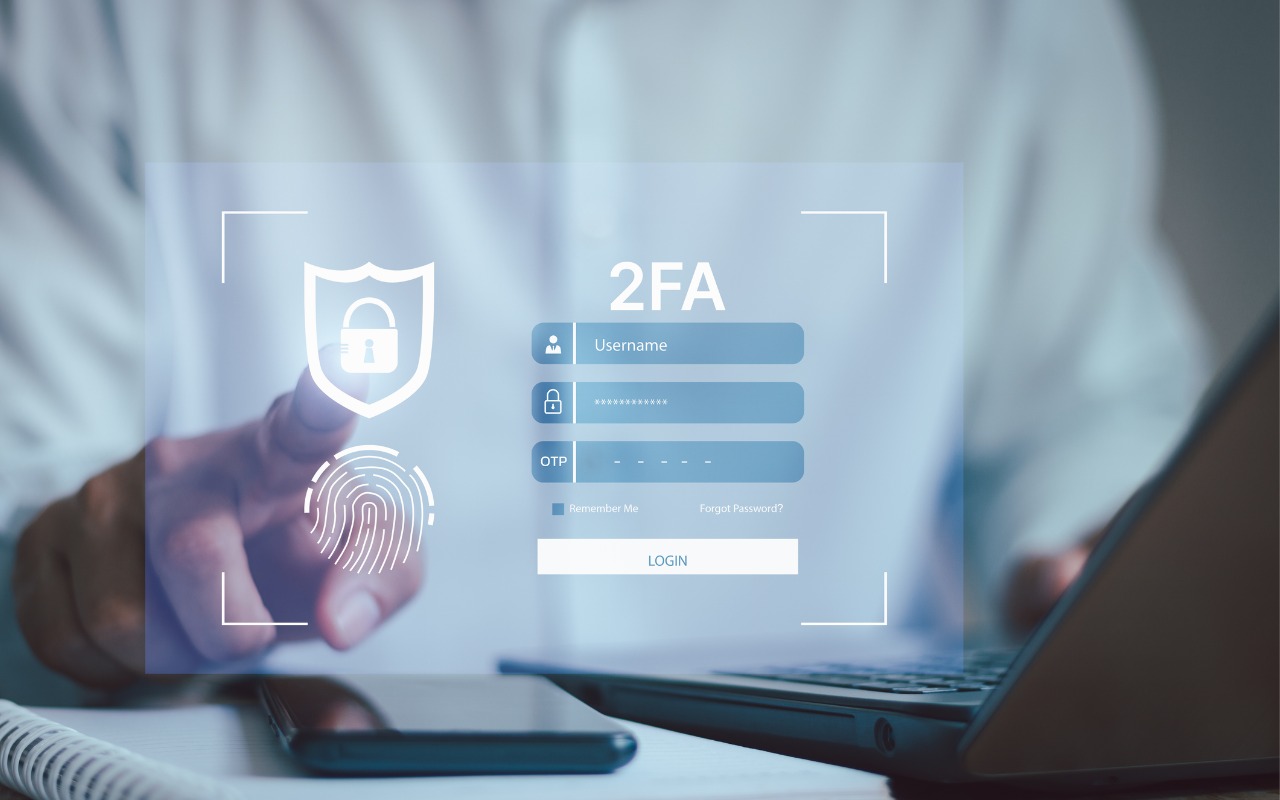
Data breaches keep coming, and the latest one revealed by Cybernews involves 16 billion passwords. There’s no reliable way to confirm whether your exact passwords are in this dataset, but it’s smart to assume that any password you’ve reused before could be at risk. Start by checking Have I Been Pwned for known exposure of your email addresses, then review alerts from your browser, email provider, and password manager if you use one. Reports suggesting that Apple, Facebook, or Google themselves were centrally breached appear to overstate the situation; a more likely explanation is that many individual accounts were captured by infostealer malware on infected devices. The practical response is the same either way: change reused passwords first, make every account password strong and unique, and turn on two-factor authentication wherever it’s offered. Prioritize email, banking, cloud storage, shopping sites with saved cards, and any account that can reset other passwords. If possible, use an authenticator app or passkey instead of SMS, and save backup codes in a secure place so you can still get in if you lose your phone.
(Featured image by iStock.com/tsingha25)
Social Media: Another day, another breach—this time involving 16 billion passwords. The most useful next step is not panic, but cleanup: check whether your email addresses appear in breach databases, replace any reused passwords, and enable 2FA on your email, banking, and primary online accounts. Headlines about Apple, Facebook, and Google may sound dramatic, but the bigger everyday risk is stolen credentials being reused across multiple sites.
Contact G2 Computers in Washington Crossing
For households and small businesses in Washington Crossing, Newtown, and nearby Bucks County communities, practical help often starts with reviewing password habits, checking whether a device may have been infected by credential-stealing malware, and securing the most important accounts first.