

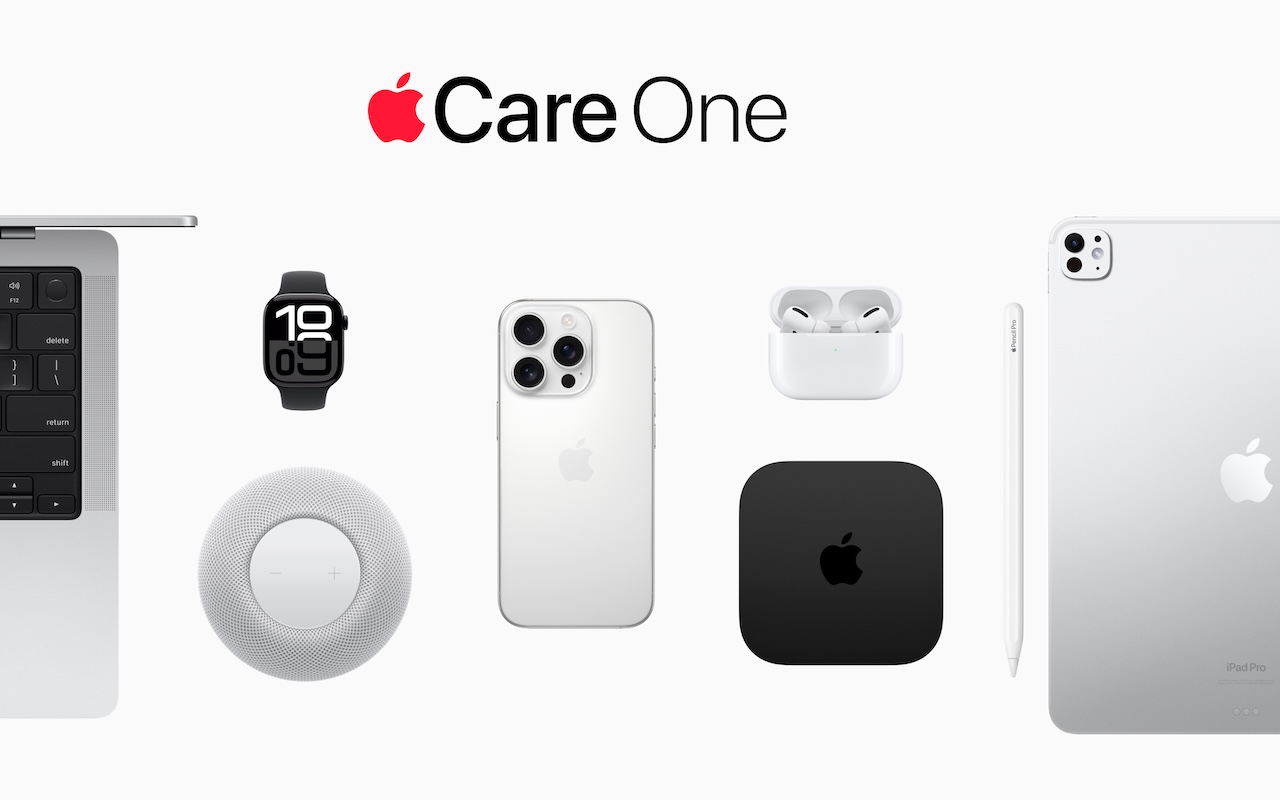
What AppleCare One means for Mac users with more than one Apple device
When apple introduces applecare one for multi-device coverage, it changes the way many Mac users think about protection, repairs, and monthly support costs. Instead of managing separate plans for a MacBook, iPhone, iPad, or Apple Watch, the idea behind a unified plan is simple: one coverage structure for several devices, with fewer billing surprises and less paperwork. For people in Washington Crossing, Bucks County, and nearby Newtown who rely on a Mac for work, school, creative projects, or family use, that kind of simplicity matters.
The main search intent behind this topic is practical. People want to know what a multi-device AppleCare option likely covers, whether it saves money, and how it affects real-world repair situations. If you already use a Mac as your main device, the biggest value often comes from how closely that Mac works with your other Apple hardware. A damaged iPhone can interrupt two-factor authentication, a broken iPad can disrupt note-taking and sidecar workflows, and an Apple Watch issue can affect notifications, health tracking, and device unlocking. Multi-device coverage recognizes that these products are not used in isolation.
For households and professionals with several Apple products, the most useful way to evaluate this kind of plan is to list every active device, note its age, and compare the current coverage status. Check whether each product is still under limited warranty, already on AppleCare, or completely uncovered. Then estimate how often you have needed battery service, accidental damage repair, or technical support in the past two years. A bundled protection model is usually most relevant when you own newer devices, travel often, or depend on your Mac ecosystem every day.
The key takeaway is that multi-device coverage is not just about convenience. It can also improve tracking, reduce administrative friction, and make it easier to keep essential Apple devices protected under one organized plan.
How apple introduces applecare one for multi-device coverage could change repair planning
If apple introduces applecare one for multi-device coverage in a broad consumer-friendly format, one of the biggest benefits will likely be better repair planning. Many Mac users do not struggle with understanding their devices. They struggle with understanding which device is covered, what type of incident qualifies, and how much an unexpected repair might cost. A single framework can make those decisions clearer.
Start by thinking about the most expensive repair risks in your device lineup. For a MacBook, accidental liquid damage, display damage, logic board issues, and battery replacement are often the biggest concerns. For an iPhone, cracked screens and rear glass repairs are common. For an iPad, display damage and charging port issues appear frequently. If one plan tracks multiple devices together, you can spend less time digging through old receipts, renewal emails, and serial-number-specific agreements.
Here are practical steps Mac users should take when evaluating a multi-device protection option:
- Create a device inventory with model names, serial numbers, purchase dates, and current warranty status.
- Review your repair history over the last 24 months to see which products actually needed service.
- Compare monthly and annual costs of separate AppleCare plans against a bundled structure.
- Check accidental damage terms carefully, including service fees and any incident limits.
- Confirm battery coverage rules so you know when reduced battery health qualifies for service.
- Look at support access for macOS, iCloud, Apple ID, and device setup issues across the full ecosystem.
This matters locally because many users in Bucks County juggle work-from-home setups, student devices, and personal devices in the same household. A unified plan can make it easier to decide whether to repair a Mac now, replace an aging iPad later, or keep all devices on one predictable service structure. Better planning usually means fewer delays when something important stops working.
Who benefits most from a multi-device AppleCare setup
Not every Apple user needs the same level of coverage, so the smartest approach is to match the plan to your actual device habits. A multi-device option makes the most sense for Mac users who depend on several Apple products every day and want a more organized way to manage risk. In Washington Crossing and nearby Newtown, that often includes remote professionals, students, families, and small business users who move between home, office, and travel environments.
You are more likely to benefit if your Mac is part of a tightly connected workflow. For example, a MacBook paired with an iPhone for hotspot access, an iPad for sidecar or document review, and an Apple Watch for notifications and unlocking creates a chain of dependency. If one device fails, the disruption spreads. In that situation, multi-device coverage can be more valuable than separate plans because it supports the ecosystem you actually use, not just one machine in isolation.
Consider these common user profiles:
- The remote worker who uses a MacBook, iPhone, and AirPods daily and cannot afford downtime.
- The student who relies on a Mac for coursework and an iPad for reading, notes, and annotation.
- The family organizer managing multiple Apple IDs, shared purchases, and several active devices at once.
- The creative user who edits photos or video on a Mac and uses an iPhone or iPad to capture, preview, and transfer files.
On the other hand, if you only own one older Mac and rarely use other Apple hardware, bundled coverage may offer less value than paying for a single device plan or setting aside a repair budget. The best decision comes from comparing device age, replacement cost, and how disruptive a failure would be. If losing access to your Mac ecosystem for even a day would affect work, school, or communication, a multi-device structure becomes much easier to justify.
The real advantage is not theoretical savings alone. It is reducing downtime, simplifying support decisions, and protecting the devices that keep your daily routines connected.
What to check before enrolling your Mac and other Apple devices
Before joining any multi-device protection plan, take a structured approach. Mac users often rush into coverage decisions after buying a new device, but the better move is to review eligibility, device condition, and likely service needs first. That helps you avoid paying for coverage that overlaps with existing protection or excludes products you assumed were included.
Begin with eligibility windows. Apple coverage options often depend on how recently the device was purchased and whether it passes inspection or diagnostic checks. If your MacBook, iPhone, or iPad is older, verify whether it can still be added. Then review the physical condition of each device. Existing cracks, liquid exposure, bent enclosures, or unauthorized repairs can affect coverage acceptance and future claims.
Use this checklist before enrolling:
- Sign in to your Apple account and confirm every device attached to it is listed correctly.
- Check purchase dates and current warranty or AppleCare status for each product.
- Run battery health checks on your Mac, iPhone, and iPad so you know their current condition.
- Back up everything using Time Machine, iCloud, or both before any inspection or service event.
- Inspect for existing damage and document condition with photos and notes.
- Read service fee details so you understand out-of-pocket costs for accidental damage incidents.
- Review theft or loss terms carefully if those protections are offered only for certain device categories.
Also think about support logistics. If your Mac is mission-critical, learn how long common repairs usually take and whether loaner options exist through authorized channels. If you use FileVault, iCloud Keychain, or device management tools, make sure you know the steps required before service. Preparation matters as much as coverage itself. A well-documented device inventory, current backups, and a clear understanding of the terms will make any future repair far less stressful.
For most users, the best result comes from treating coverage as part of overall device management, not as a last-minute purchase after something goes wrong.
Practical ways to decide whether bundled AppleCare is worth the cost
The most useful question is not whether multi-device coverage sounds convenient. It is whether it is financially and operationally better than your current setup. To answer that, Mac users should compare total cost, repair probability, and disruption risk. This is especially important if your Apple devices are central to work, school, or household organization.
Start with a simple calculation. Add up what you currently pay for separate AppleCare plans, then compare that number to the bundled monthly or annual cost. Next, estimate likely repair exposure over the next two years. A newer MacBook with heavy daily use carries different risk than an older desktop Mac that rarely moves. Likewise, an iPhone used outdoors, in the car, and during travel is more likely to need accidental damage service than a stationary device.
A practical evaluation process looks like this:
- List all covered devices and note their replacement values.
- Assign a risk level to each device based on travel, daily handling, and past damage history.
- Estimate downtime cost by asking what happens if the device fails for three to five days.
- Compare support value if you regularly need help with syncing, setup, backups, or account issues.
- Factor in battery service because aging batteries can make coverage more valuable over time.
For many Mac users, the strongest argument for bundled coverage is predictability. Instead of facing one large repair bill for a Mac display or logic board issue while also maintaining separate plans for other devices, you get a more centralized system. That can be especially helpful for households with several active Apple products and no time to manage each device separately.
If the numbers are close, let convenience and downtime decide. If a unified plan saves only a little money but makes repairs, claims, and support easier across your Mac, iPhone, and iPad, it may still be the better choice. The best coverage decision is the one that matches how you actually use your Apple ecosystem every day.
Contact G2 Computers in Washington Crossing
Need help? Contact G2 Computers today.





